
Ever since Alzheimer’s disease was first discovered, physicians have had limited knowledge to know what was happening in someone’s brain.
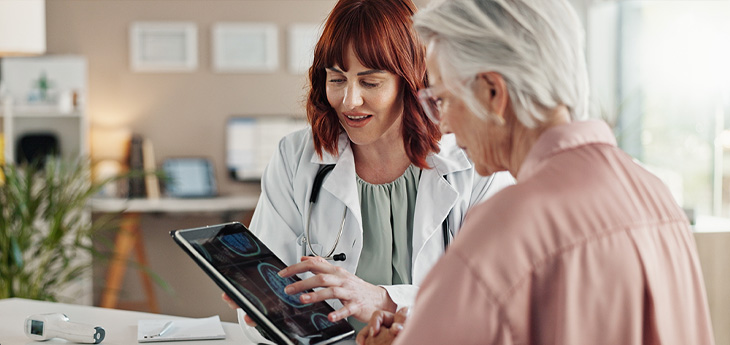
For decades, health experts would gain insight into the disease only after a person died, when they could study the brain tissue and make a definite diagnosis.
Today, biomarker tests, including amyloid PET scans, can detect hallmark amyloid plaques in living patients and help guide diagnosis and care.
But the scientific progress has created a new question: What happens when patients and families receive that potentially life-altering information about what is happening in their brains?
Jennifer Lingler, associate dean for research at the Betty Irene Moore School of Nursing at UC Davis, has spent years seeking answers.
“We need to understand what this means in the real world,” Lingler said. “We still don’t know how this information affects your everyday patient and family.”