
On Nov. 9, the U.S. Food and Drug Administration (FDA) announced it will require manufacturers of GLP-1 medications, including Ozempic, Wegovy, Mounjaro and Zepbound, to add a warning about a rare eye condition called non-arteritic anterior ischemic optic neuropathy (NAION).
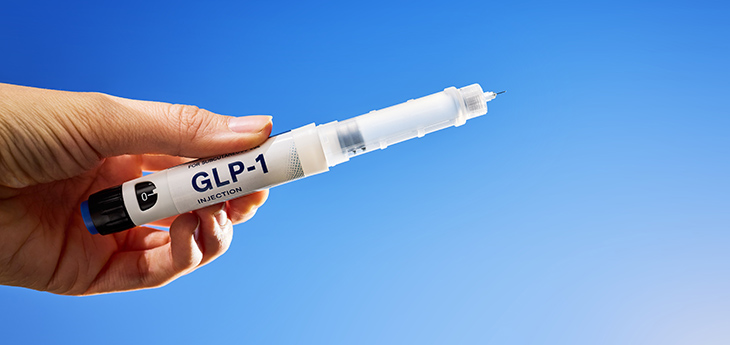
The warning follows several studies that identified an association between GLP-1 medications and NAION, although they did not establish that the medications directly cause the condition.
NAION (pronounced NYE-on) is caused by decreased blood flow and oxygen to the optic nerve, resulting in a sudden and painless decrease in vision and sometimes permanent vision loss. It is sometimes called an “eye stroke.”
Yin Allison Liu is a neuro-ophthalmologist at the UC Davis Department of Ophthalmology and Vision Science. She has studied NAION and treated patients with the condition.
“NAION remains very rare,” Liu said. She notes that with an annual prevalence of 2.3-10.3 people per 100,000 individuals aged 50 and older, there are only about 6,000 new cases per year in the U.S.
Research identifies potential association
A 2024 paper in JAMA Ophthalmology identified a potential association between GLP-1s and NAION. The findings added to growing concerns about a possible link between GLP-1 medications and NAION and contributed to ongoing FDA safety evaluations.
The agency analyzed the incidence of NAION in patients treated with GLP-1s compared with the incidence in patients treated with placebos or a non-GLP-1 glucose-lowering medication.
They found patients treated with GLP-1s had a NAION incidence rate of 6.4 cases per 100,000 person-years (a measure that accounts for both the number of people in a study and how long they were followed) compared to 3.8 events per 100,000 person-years in the placebo and other medications group.
Another FDA study found that the rate of NAION was higher in people taking GLP-1 drugs compared to those taking DPP-4 inhibitors (an oral medication for diabetes). The same study also found the rate of NAION was similar between people taking GLP-1 medications and those taking SGLT-2 inhibitors, another class of diabetes drugs.