
UC Davis Health now offers Tzield, also known as teplizumab, a first-in-class biologic therapy designed to delay the onset and progression of type 1 diabetes (T1D). The new availability expands early intervention options for families in the region.
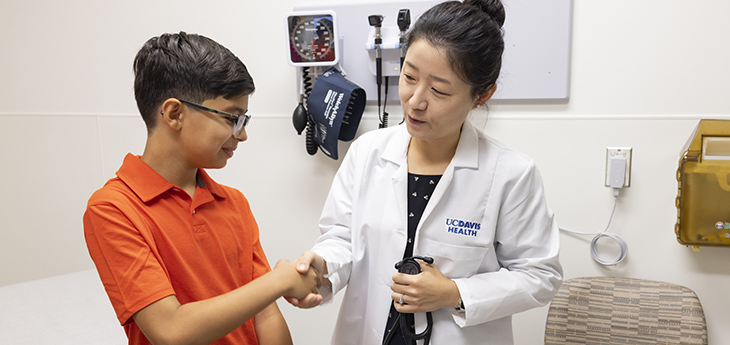
UC Davis Health is the only healthcare system in the Sacramento region and inland northern California to offer this T1D therapy.
This prescription monoclonal antibody is available for adults and children 1 year of age and older with:
- Stage 2 T1D, in which patients are pre-symptomatic, but blood glucose becomes irregular.
- Stage 3 T1D, in which patients are recently diagnosed with T1D within eight weeks.
“Bringing Tzield to UC Davis Health represents more than an advancement in care. It reflects our deep commitment to the families we serve and to a future in which type 1 diabetes can be delayed or even redefined,” said Caroline Schulmeister, pediatric endocrinologist at UC Davis Health.
The mechanics behind the intervention
Type 1 diabetes is an autoimmune condition in which the immune system attacks insulin-producing cells in the pancreas. Traditionally, diagnosis occurs after symptoms develop and there has already been a significant loss of insulin-producing cells in the pancreas. Tzield provides a pivotal opportunity for providers to intervene at the earliest stages of disease.
Tzield binds to specific receptors on immune cells, disabling them from destroying insulin-producing beta cells in the pancreas. It is administered as a daily intravenous infusion for 14 days.