
A post shared by NHLMA Medical & Aesthetics | Hair & Skin Experts (@nhlma.med)
Most people spend a lot of time thinking about their hair: the right shampoo, the right cut, the right products. But the scalp? It often gets overlooked entirely. And that’s a problem, because your scalp is where everything begins.
Think of your scalp the way you think of soil in a garden. No matter how much attention you give to the plant above ground, if the soil underneath is depleted, compacted, or out of balance, healthy growth simply cannot happen. The same principle applies to your hair. If your scalp is clogged, inflamed, or lacking in circulation, your follicles cannot do their job.
At NHLMA, we see this every day in our practice. Patients come in frustrated with thinning, shedding, or slow growth, and what we often find is that the root of the issue (literally) is an unhealthy scalp environment. The good news is that scalp health is something you can actively improve. Here is where to start.
Why Scalp Health Is the Foundation of Hair Growth
Your hair follicles live inside your scalp. Each follicle is a living structure surrounded by blood vessels that deliver oxygen and nutrients, sebaceous glands that produce natural oils, and a network of cells that regulate the growth cycle. When any part of that environment is compromised, it affects how your hair grows, or whether it grows at all.
Common scalp conditions that interfere with hair growth include buildup from products and dead skin cells, excess oil or chronic dryness, scalp inflammation (which can be silent and symptom-free), reduced blood flow to the follicles, and microbial imbalance that disrupts the scalp’s natural ecosystem.
Addressing these issues proactively is one of the most effective things you can do to support long-term hair density and health.
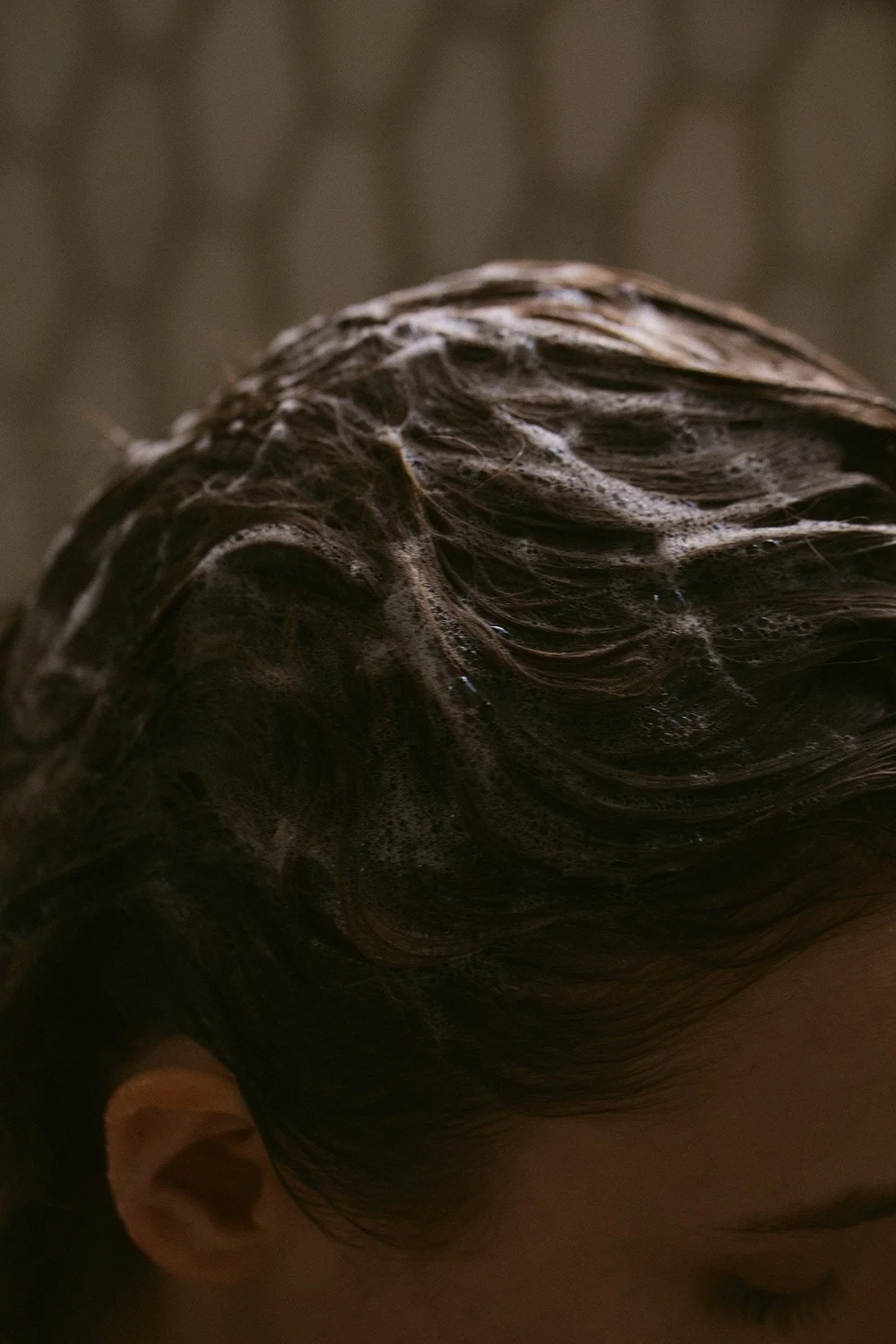
Scalp Care Tip 1: The Double Cleanse – 2 Shampoos
One of the most common mistakes we see is under-washing the scalp.
That’s why in many of our hair loss programs and regimens, you’ll notice a Secondary Shampoo Rinse. Similar to double-cleansing the skin to effectively remove makeup and impurities, a double scalp cleanse ensures a deeper, more thorough clean. This process helps remove dirt, debris, environmental pollutants, and hormone buildup that can sit on the scalp and contribute to excess shedding and slowed growth.
We’ve successfully used this method in our routines for over a decade, consistently seeing faster hair growth and reduced hair shedding. Try it — and feel the difference for yourself.
For most people, washing two to three times per week is a good starting point. If you work out frequently or have an oily scalp, you may need to wash more often. If your scalp is dry or sensitive, less frequent washing with a gentle, sulfate-free formula is usually better.
When you wash, take the time to actually massage the shampoo into your scalp rather than just lathering your lengths. This mechanical action helps lift buildup and stimulates blood flow.
Get started with your double cleanse routine with Second Wind by Mane Ivy or shop our collection of trichologist-approved shampoos!
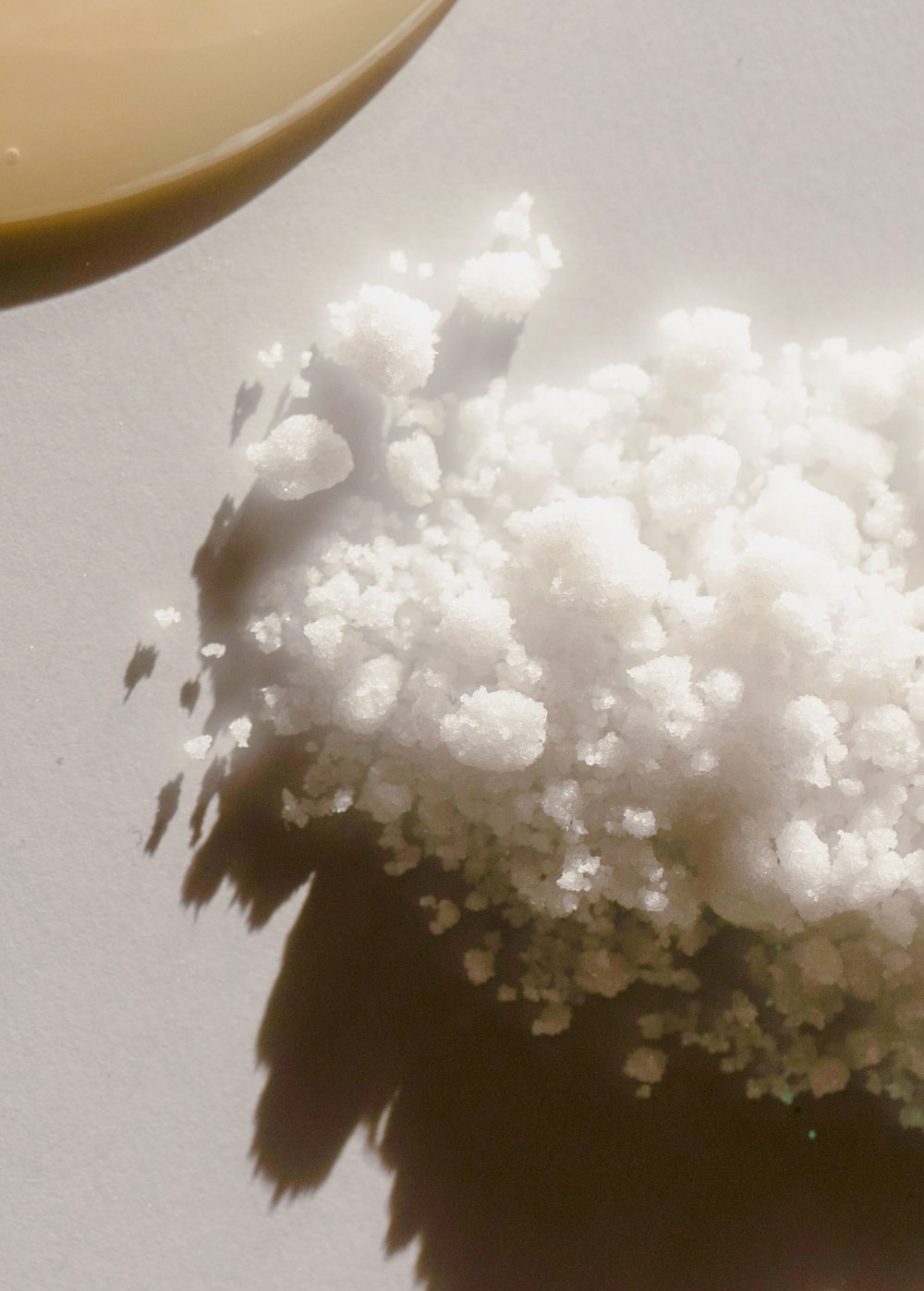
Scalp Care Tip 2: Add a Scalp Scrub or Exfoliant to Your Routine
Just like your face benefits from regular exfoliation, so does your scalp. Over time, dead skin cells, dry shampoo, styling products, and sebum accumulate on the surface. This buildup can clog follicles and create an environment that is hostile to healthy growth — and it can also disrupt the scalp microbiome, the ecosystem of bacteria and fungi that live on the scalp and play a quiet but important role in keeping inflammation in check and follicles functioning well. When buildup tips the microbiome out of balance, you often see consequences like excess flaking, itchiness, or accelerated shedding.
A gentle scalp scrub like our Microdermabrasion Scrub used once or twice a month can make a meaningful difference. Look for formulas with fine physical exfoliants or chemical exfoliants like salicylic acid, which is particularly effective at dissolving oily buildup around the follicle and has the added benefit of helping keep Malassezia, a naturally occurring fungus on the scalp that can overgrow and cause irritation, at manageable levels.
Avoid scrubbing too aggressively. The scalp microbiome is sensitive to disruption, and overdoing it can strip beneficial microorganisms along with the debris you are trying to remove. The goal is to gently loosen and lift buildup, not to irritate or inflame the skin.
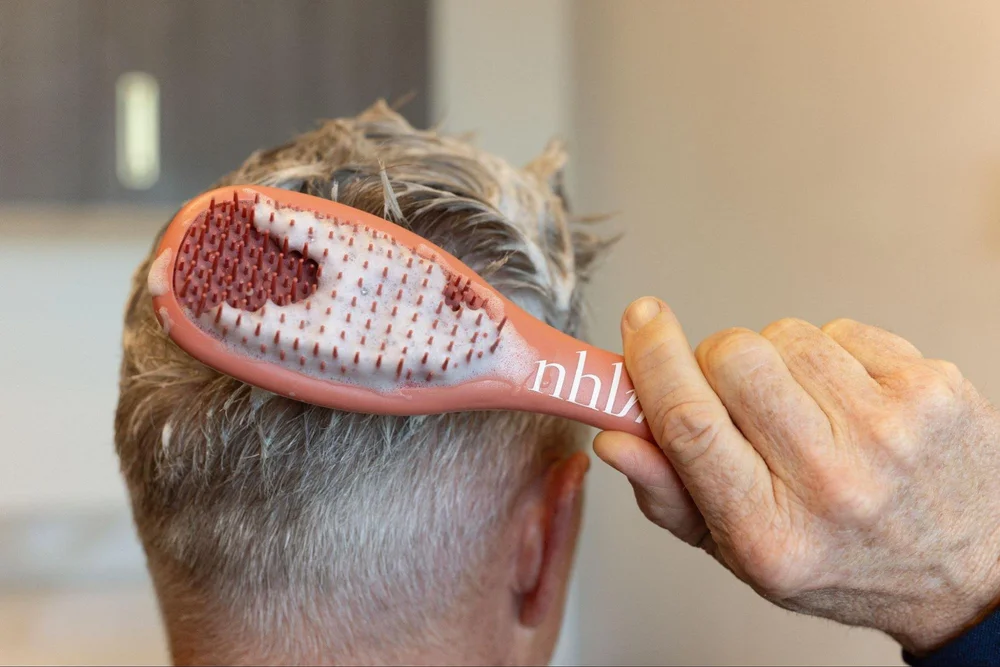
Scalp Care Tip 3: Incorporate Scalp Massage
This is one of the simplest, most accessible scalp care tips we share with patients, and it is backed by real research. A 2016 study published in Eplasty found that daily scalp massage increased hair thickness over a 24-week period. The proposed mechanism is increased blood flow to the follicles, which means more oxygen and nutrients delivered directly to where hair growth happens.
We recommend using our bestselling Silicone Scalp Scrubber everyday to stimulate circulation, promoting a healthier, rejuvenated scalp. You can do this in the shower with shampoo, before bed, or while you are sitting at your desk. In terms of how to use it, we love using it the most in the shower to effectively removing dirt, debris, and product buildup, through gentle circular motions.
If you want to take it a step further, try a few drops of a scalp oil like rosemary or peppermint while you massage. Both have been shown to support scalp circulation and follicle health when used consistently.
Scalp Care Tip 4: Pay Attention to Ingredients
What you put on your scalp matters as much as how you wash it. Certain ingredients can cause buildup, disrupt the scalp’s microbiome, or trigger inflammation over time even when they appear in products marketed as “nourishing” or “natural.”
Ingredients to be thoughtful about include heavy silicones that coat the hair shaft and accumulate on the scalp over time, synthetic fragrances which are a common cause of scalp sensitivity and contact dermatitis, sulfates in high concentrations which can be too stripping for dry or sensitive scalps, and alcohol-heavy formulas that dehydrate the scalp.
Ingredients that tend to support scalp health include niacinamide which helps regulate sebum production and supports the skin barrier, biotin and peptides which nourish the follicle environment, zinc pyrithione which has antifungal and antibacterial properties, and caffeine which has been studied for its ability to stimulate follicle activity.
When in doubt, simpler formulas with fewer ingredients are often the right call, especially if you are dealing with scalp sensitivity or reactivity.
Scalp Care Tip 5: Protect Your Scalp from Heat and UV Damage
Most people know that heat styling damages the hair shaft. Fewer people think about the impact of heat and UV exposure on the scalp itself. The scalp skin is just as susceptible to sun damage as the rest of your body, and chronic UV exposure can impair follicle function over time.
If you spend time outdoors, apply a scalp SPF or wear a hat that provides coverage. In Scottsdale, where sun exposure is intense for most of the year, this step is genuinely important and one we emphasize with our local patients regularly.
Similarly, when using heat styling tools, try to keep direct contact away from the scalp. The intense heat from a flat iron or blow dryer held close to the roots can dry out the scalp and irritate the skin.
Scalp Care Tip 6: Support Your Scalp from the Inside
Scalp health does not exist in isolation. It reflects what is happening inside your body, particularly when it comes to nutrition, hydration, and hormonal balance.
Iron deficiency is one of the most common nutritional contributors to hair thinning we see in practice, especially in women. Low ferritin (stored iron) is often missed on standard bloodwork unless a provider specifically orders it. Vitamin D, zinc, and B vitamins also play meaningful roles in follicle health and hair cycle regulation.
Hydration matters too! A dehydrated scalp produces less of the natural oil that protects and lubricates the follicle. Aim for consistent water intake throughout the day, not just when you feel thirsty.
If you suspect a nutritional deficiency is contributing to hair or scalp issues, comprehensive lab work for hair loss is the right first step. Guessing at supplements without knowing your levels can be ineffective and occasionally counterproductive.
Scalp Care Tip 7: Do Not Ignore Persistent Symptoms
Occasional dryness, mild flaking, or a slightly oily scalp are usually manageable with adjustments to your routine. But there are scalp symptoms that warrant a closer look from a professional.
We encourage patients to seek evaluation for persistent or worsening flaking that does not respond to over-the-counter dandruff shampoos, scalp tenderness or pain without a clear cause, redness or visible irritation that does not resolve, significant itching that affects daily life, and any noticeable thinning or changes in hair density that coincide with scalp symptoms.
Some of the most common scalp conditions we diagnose and treat, including seborrheic dermatitis, scalp psoriasis, and folliculitis, are highly manageable once properly identified. Treating the underlying condition is often the missing piece for patients who have tried everything and still are not seeing results.

When to See a Specialist
A consistent scalp care routine goes a long way. But if you have been diligent with your at-home practices and are still experiencing shedding, thinning, or scalp discomfort, it is worth having a conversation with a hair specialist.
At NHLMA, our approach to scalp and hair health is rooted in clinical evaluation first. We look at the full picture: your scalp health, your lab work, your hair growth cycle, and your lifestyle. From there, we build a treatment plan that addresses the actual cause rather than just the symptom.
Whether you are dealing with early-stage thinning, postpartum shedding, stress-related hair loss, or simply want to optimize the environment your hair grows in, we are here to help.
Ready to Take Your Scalp Health Seriously?
Book a consultation with our team in Scottsdale or virtually. We will assess your scalp, review your history, and create a personalized plan to support fuller, healthier hair growth.