
UC Davis Health launches effort to advance at-home cervical cancer screening
Pilot program with Teal Health aims to build model to integrate at-home HPV screening into routine care
UC Davis Health has launched a pilot study to evaluate how at-home HPV self-collection for cervical cancer screening can be integrated into a health system setting. The hope is to better reach patients who are due or overdue for screening.
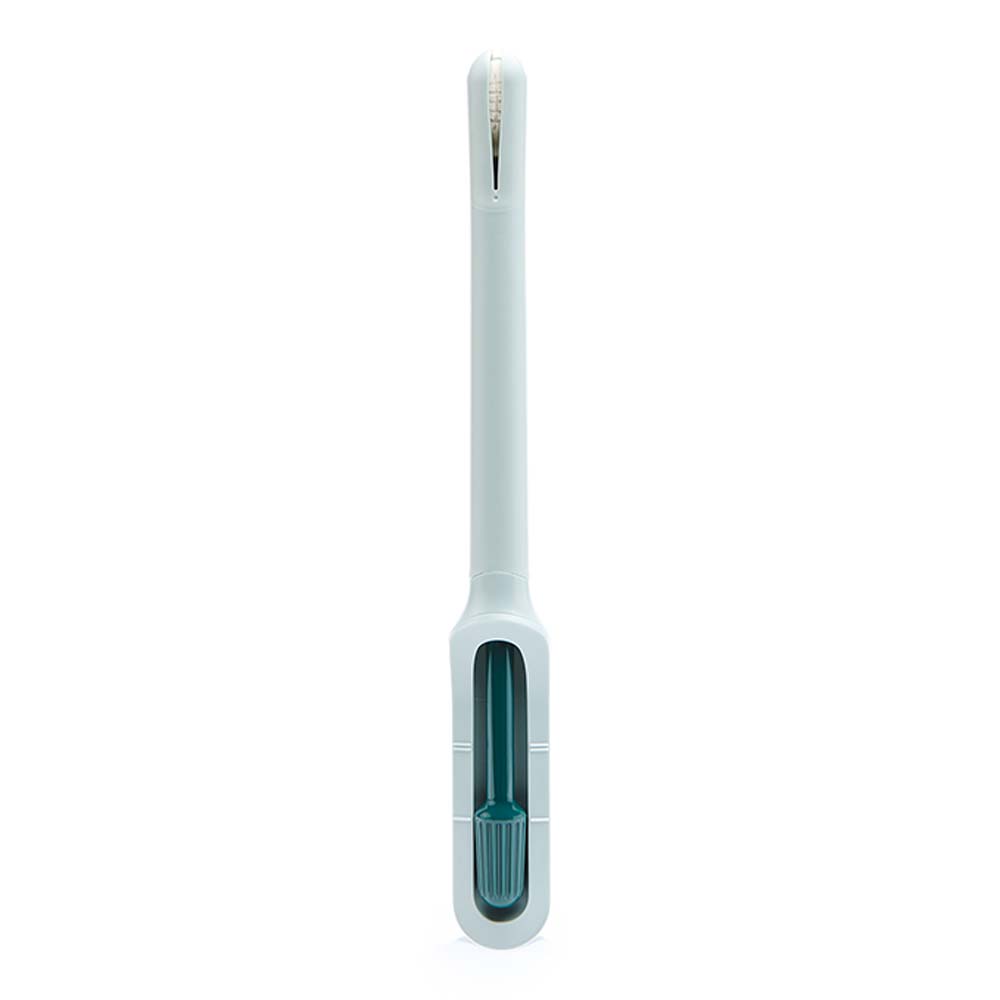
The study is a collaboration with Teal Health, which developed the first FDA-authorized self-collection device for at-home cervical cancer screening. It is funded through a National Institutes of Health Small Business Innovation Research Grant received by Teal Health.
Researchers will explore whether offering an at-home option can help improve screening completion rates and make it easier for patients to stay up to date on recommended screenings. They’ll also examine how the approach fits within existing care frameworks and whether it can reduce the burden on care teams. The goal is to create a model for wider health system adoption.
“The future of preventive care lies in delivering evidence-based services that meet people where they are and making it easier to access services that protect long-term health,” said Heather Leisy, UC Davis Health’s medical director of population health equity. “By expanding screening options, we can help more people receive the screenings that prevent disease and improve long-term health.”
Cervical cancer screening at home
The pilot works like this: UC Davis Health patients ages 30 to 65 who are due or overdue for cervical cancer screening may receive an invitation through MyChart, email or text message or from their care team. Eligible patients will receive a screening kit by mail, collect a sample at home and then return it through the mail for testing. Samples will be tested by UC Davis Health’s in-house lab and results will go directly into patients’ electronic health records.
“Our UC Davis laboratory is excited and proud to collaborate with Teal Health to provide HPV testing for patients via Teal’s home self-collection device,” said Fabrizio Saraceni, executive director of the Department of Pathology and Laboratory Medicine. “The ability to test the samples in our UC Davis lab shortens the time for results to reach their electronic health records, while expanding accessibility for remote, rural patients.”
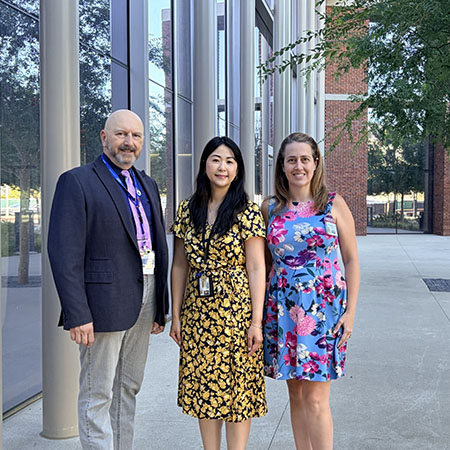
In addition to evaluating patient participation and screening completion rates, the pilot will examine how an at-home screening pathway can be integrated into routine health system operations. Teams from across UC Davis Health will work with Teal Health to integrate ordering, lab processing and results into existing systems.
“This collaboration gives us an exciting opportunity to explore how at-home screening can expand access to preventive care and offer a more convenient, accessible and patient-centered option for staying up to date on screenings,” said lead researcher on the study Julie Dang. She is also the assistant director for community outreach and engagement at UC Davis Comprehensive Cancer Center.
At the conclusion of the pilot, researchers will compare outcomes with traditional clinic-based screening approaches. They will measure screening completion rates, patient participation, the program’s ability to reach people who are overdue for care and its feasibility.
“This is an important milestone in making at-home cervical cancer screening more accessible through health systems that women already trust,” said Kara Egan, CEO and co-founder of Teal Health. “We’re working toward a future where preventive care is accurate, easier to access and easier for health systems to deliver at scale.”
UC Davis Comprehensive Cancer Center
UC Davis Comprehensive Cancer Center is the only National Cancer Institute-designated center serving the Central Valley and inland Northern California, a region of more than 6 million people. Its specialists provide compassionate, comprehensive care for more than 100,000 adults and children every year and access to more than 200 active clinical trials at any given time. Its innovative research program engages more than 240 scientists at UC Davis who work collaboratively to advance discovery of new tools to diagnose and treat cancer. Patients have access to leading-edge care, including immunotherapy and other targeted treatments. Its Office of Community Outreach and Engagement addresses disparities in cancer outcomes across diverse populations, and the cancer center provides comprehensive education and workforce development programs for the next generation of clinicians and scientists. For more information, visit cancer.ucdavis.edu.